
December 3, 2025 | Wednesday
On mornings in Pejë/Peć, most travelers still raise their eyes to the peaks of the Rugova mountains, where trails cut into dramatic canyons and climbers test their strength on sheer limestone walls.
Lately visitors are also pausing at places like the old “Haxhi Zeka” Mill, the Museum of Pejë/Peć, or even small family farms along newly built cycling trails, and discovering something else, the stories of tradition, food, and heritage that makes Pejë/Peć more than just a gateway to the mountains. All this thanks to the project of Diversifying Pejë/Peć’s tourism through cultural heritage, a project implemented by the Municipality of Pejë/Peć with the support of the Municipal Performance Grant, an incentive of the DEMOS project co-financed by the European Union, Switzerland and Sweden, and implemented by Helvetas Swiss Intercooperation.
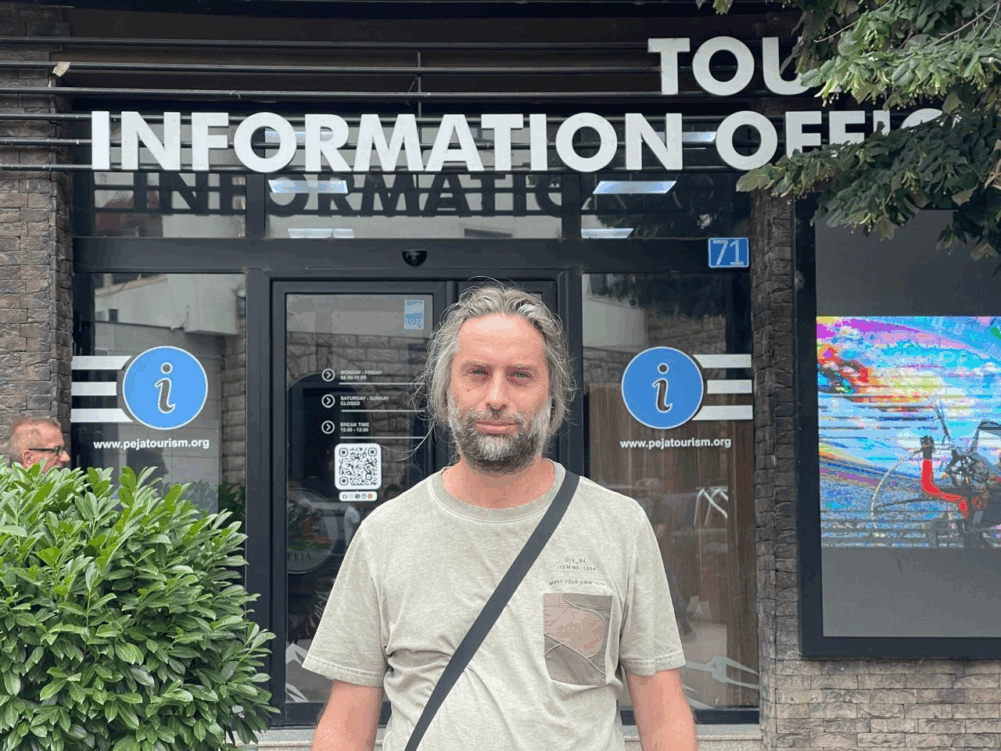
“This project was about balance,” explains Virtyt Morina, Head of Tourism in the Municipality of Pejë/Peć. “Adventure has always been our strong side. But Peja also has a deep cultural heritage, from Ottoman guest houses to artisan crafts. We wanted to show both.”, he added.
One of the city’s oldest institutions, the Museum of Pejë/Peć, has long preserved the history of the Dukagjini Plain, from prehistoric artifacts to embroidered dresses of the 19th century. Yet for years, few entered.
“The first impression wasn’t good,” admits Besa Berisha, the museum’s acting director. “The courtyard was dark; the entrance didn’t invite you in. People walked past.”
With support from the Municipal Performance Grant, the museum received a new wooden gate, lighting, and an improved exterior. The change, Berisha says, was immediate.
“Visitors nearly doubled in six months. Even at night, with the lights, people stop and say: ‘Oh, there’s a museum here.” For her, the difference goes beyond numbers.
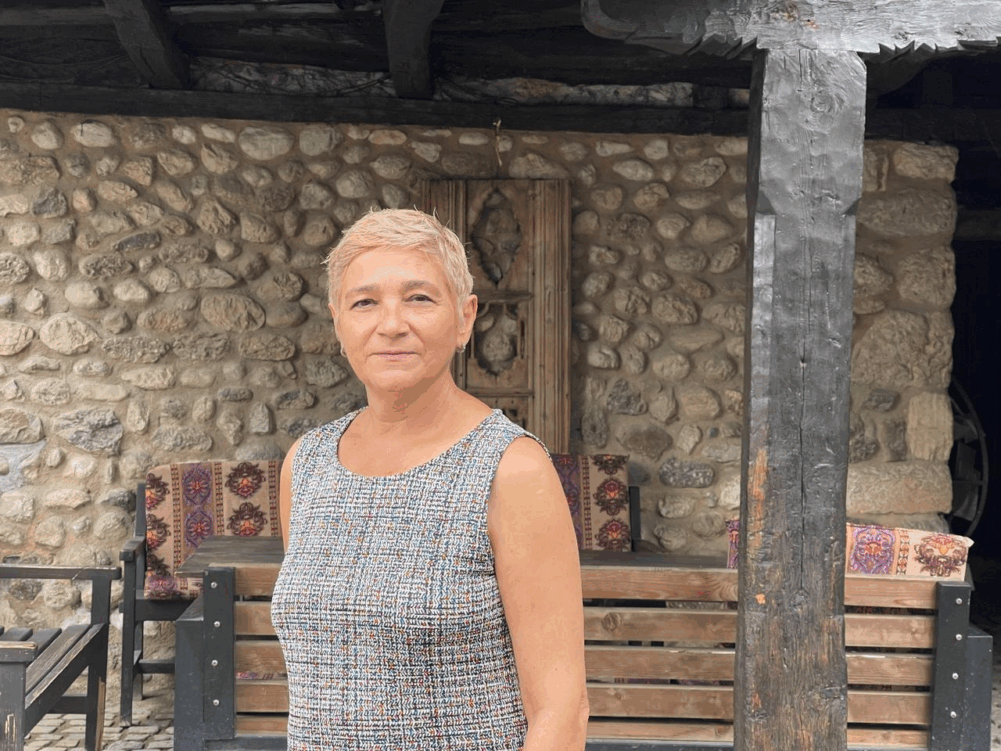
“The museum should not just be a place of objects, but of people,” she explains. “When the courtyard is alive with schoolchildren, with concerts, with our event ‘Night at the Museum’ then history becomes part of everyday life.”
Life along the trails
Tourism diversification has also reached Pejë/Peć’s rural communities. The project invested in cycling trails that cut through villages and farmlands, connecting adventure with daily life.
In the shadow of the Accursed Mountains, Pejë/Peć has long been a gateway to Kosovo’s most breathtaking landscapes. Known for its hiking routes, waterfalls, and cultural heritage, the city is now embracing a new way of connecting nature, tourism, and community through cycling.
Raif Gjikolli, the vice president of the mountaineering association “Gjeravica” which traces its roots back to 1928, making it one of the oldest of its kind in the region, says that thanks to the recent efforts, they are being able to engage community and young people, provide training, and contribute to Pejë/Peć through projects in education, sports, and above all, tourism.
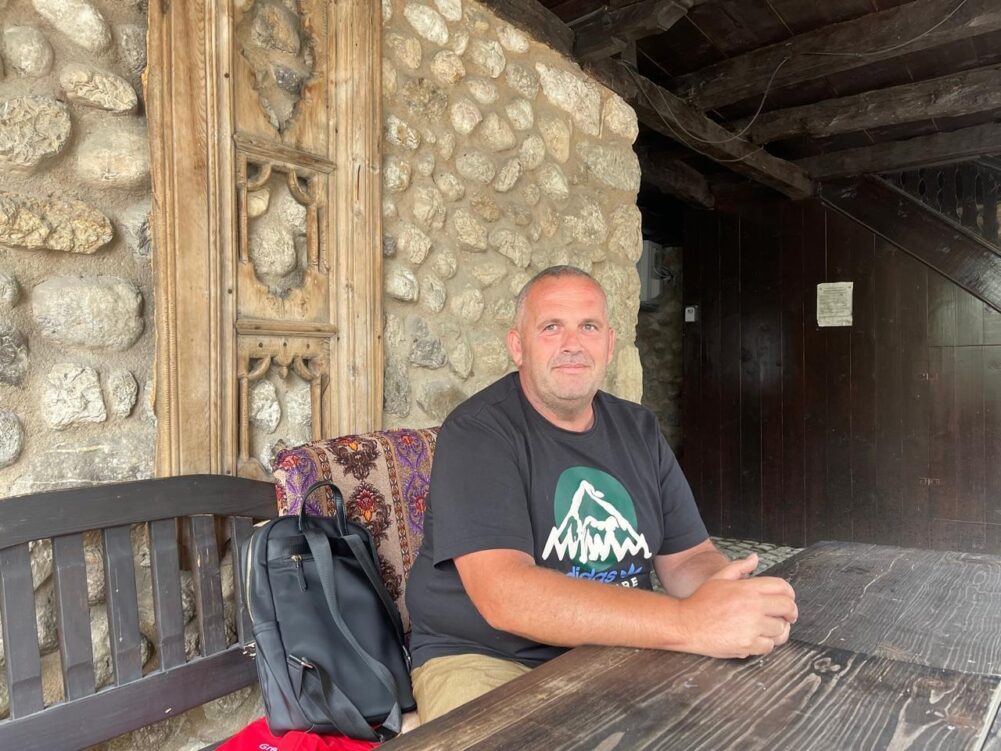
Both the cycling trails, but also interventions in the “Haxhi Zeka” Mill, has helped this local organization in providing for the local community and tourists in Pejë/Peć,, in different services.
One of the biggest boosts for outdoor tourism in Pejë/Peć has been the construction of new cycling trails. Before this, cyclists had limited, unmarked routes. Now, through the project routes are marked and Pejë/Peć has three fully digitalized and marked trails stretching between 29 and 39 kilometers.
“All three start right from Pejë/Peć’s main square,” Raif explains. “One heads west, another south toward Lubeniq, Strela and Logje, and the third north. Along the way, there are signposts, maps, and even boards highlighting local guesthouses, food stops, and cultural points.”
This design was intentional, to make cycling not just a sport, but a way of driving rural tourism.
“The idea was always to link trails with villages, so visitors can stop for food or even stay overnight. It’s safer than busy main roads, and it creates income for locals.”
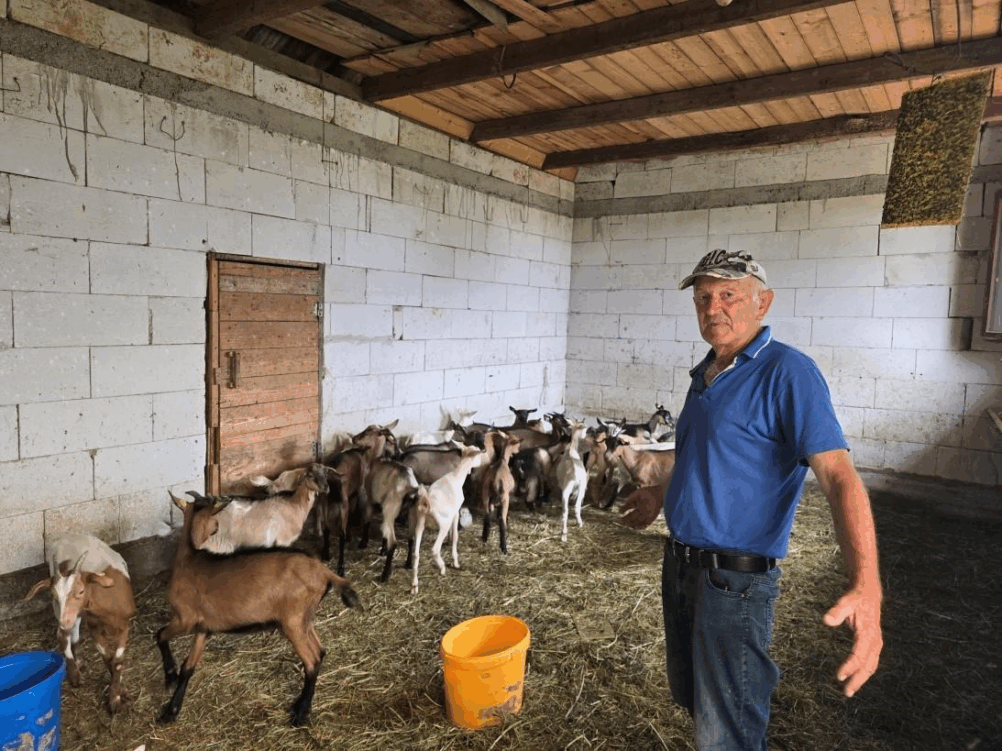
For Mujo Kalač, a farmer from the Bosniak community, the trail transformed his goat farm. “It was always just a selling point,” he says. “But now, visitors stop, stay, taste our food, and learn about our traditions.”
Nearby, Metë (Rustem) Isufi, from the Egyptian community, has felt the same shift. “We thought the farm was only for livestock,” he admits. “But the trail opened our horizons. Families now come for educational experiences, children learn about rural life. It gave us a new perspective, and a new future for our family.”
The new trails quickly became the backbone of the Pejë/Peć Outdoor Tourism Festival, which in just two editions has made a big mark. The event gathers hundreds of visitors from Kosovo and beyond for two days filled with hiking, paragliding, cycling, fishing, and nearly 40 outdoor activities.
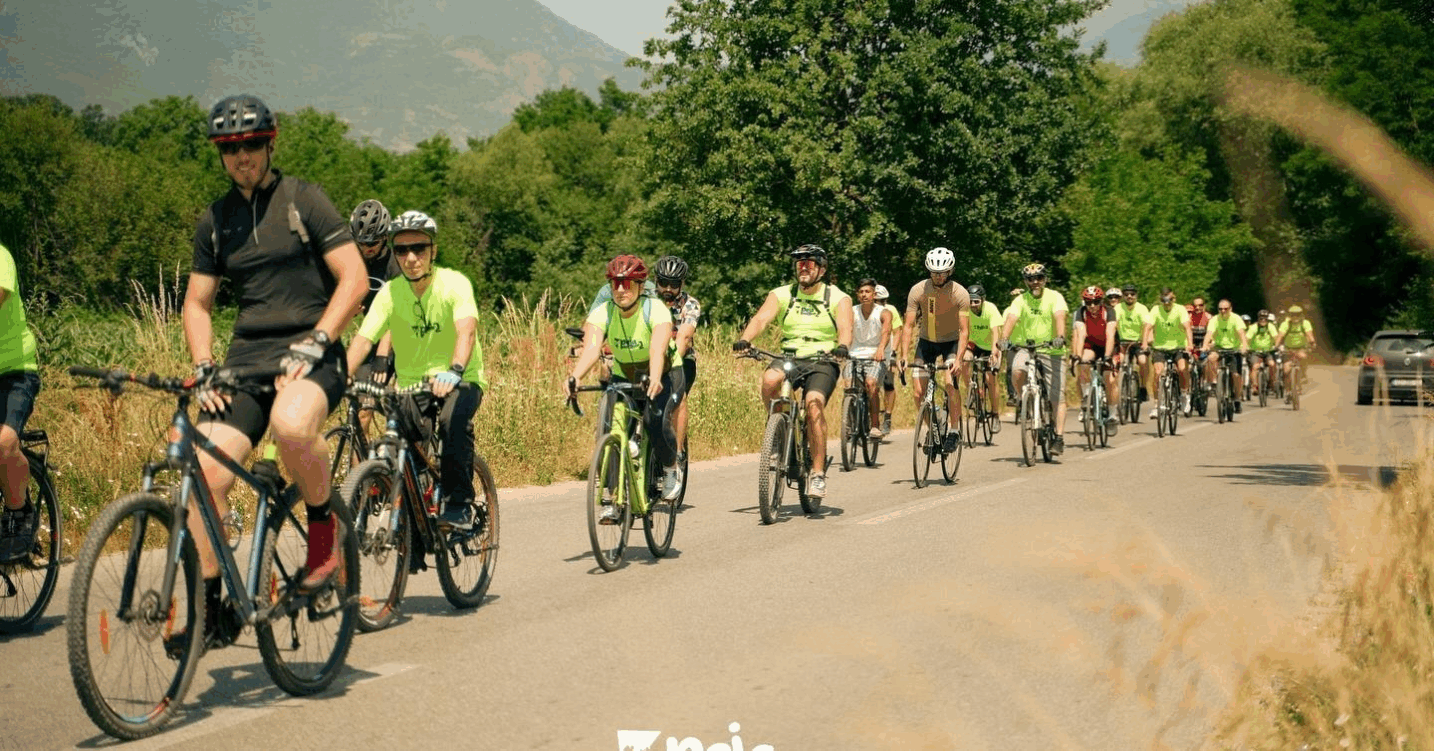
©Municipality of Peja
“In the latest festival, more than 200 cyclists joined from across the region,” Raif recalls proudly. “It’s the first festival of this kind in Kosovo, and it’s putting Pejë/Peć on the adventure tourism map.”
A new identity for Pejë/Peć
Through support from the Municipal Performance Grant, 14 different sites including cultural monuments, artisan workshops, farms, trails, and the museum were revitalized, reinforcing Pejë/Peć’s vision to be known as more than “the city of mountains.” Since the grant rewards municipalities that perform well, Pejë/Peć’s strong results have enabled it to benefit from the system, creating visible improvements that citizens now enjoy.
“Now, a visitor can hike in Rugova in the morning, then in the afternoon visit a museum, a traditional mill, or a farm,” he explains. “It’s a fuller experience. It’s not just adrenaline, it’s culture, it’s food, it’s people.”
Pejë/Peć’s experiment has already inspired other municipalities to think about tourism differently.
For Gjikolli, continuity is the key. “Restoration is not enough,” he warns. “If we don’t use these spaces, if we don’t keep them alive with culture, they will fall back into neglect.