
September 1, 2025 | Monday
Through activities like picnics, handicrafts, and art exhibitions, the Center for Independent Life (Qendra për Jetë të Pavarur), with generous support from the European Union in Kosovo, is redefining support for persons with mental health disabilities. Operating in Peja/Pec, the center offers its services to members from across the Dukagjin region.
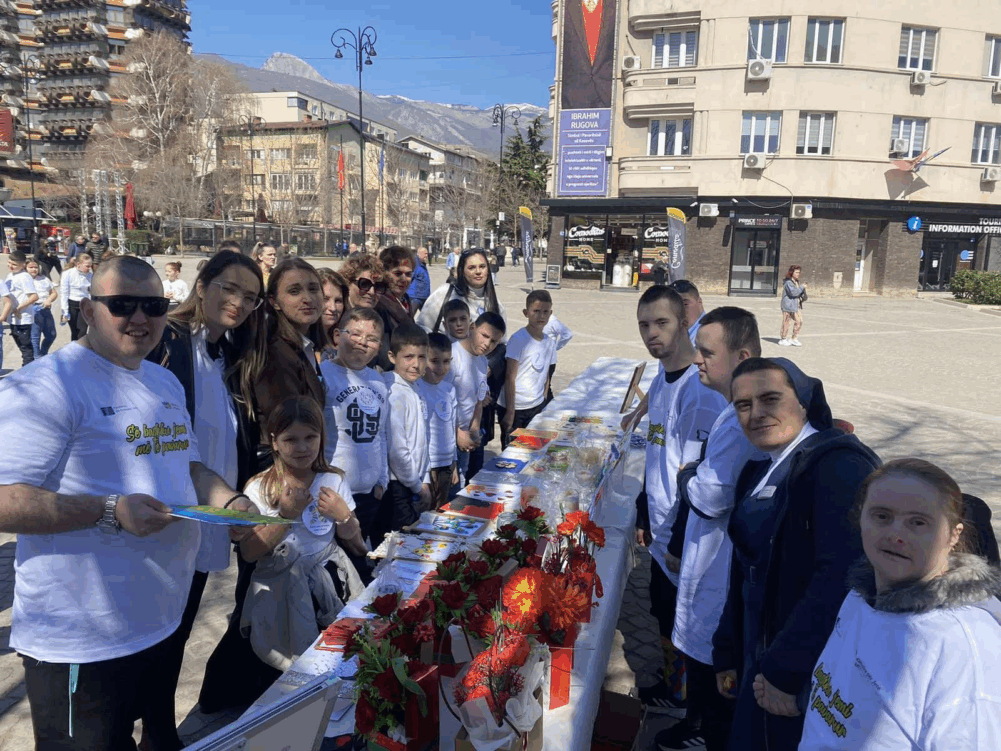
The Center for Independent Life was founded in 2005, although services for people with disabilities had been offered since 1999 in the refugee camps in Albania. CIL was established as a response to the urgent needs of the community of persons with mental health disabilities, who at the time faced a complete lack of support services.
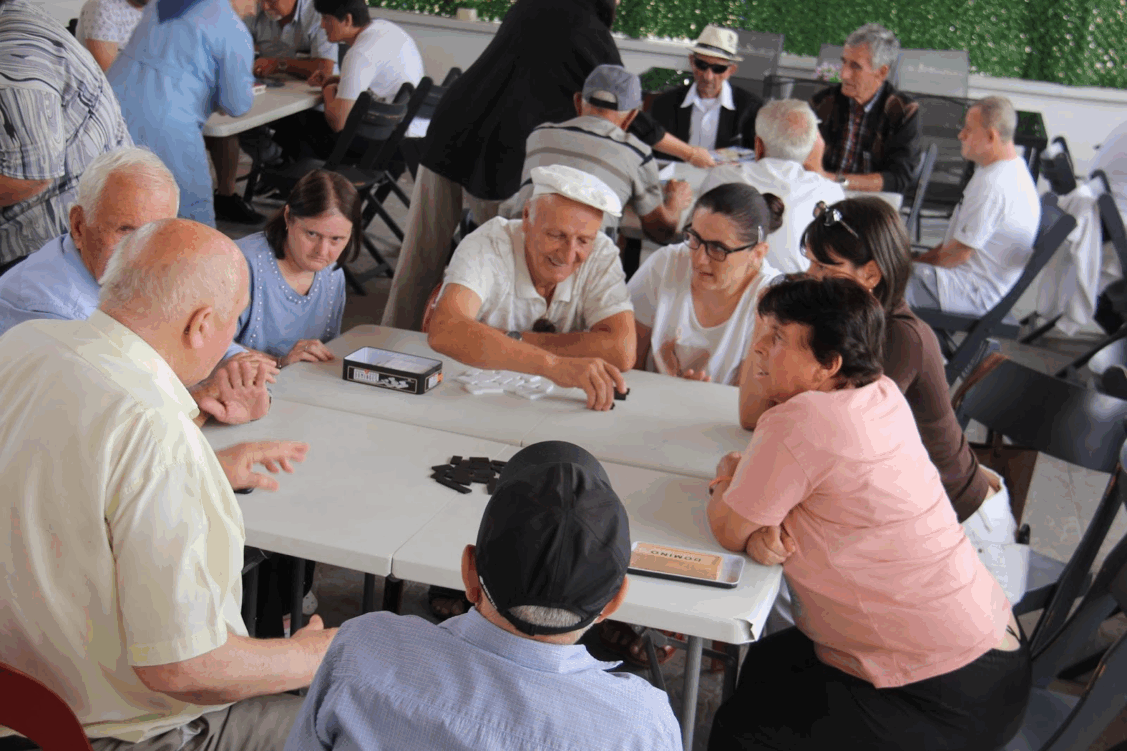
“Since its establishment, our mission has been to contribute to the full social inclusion and personal development of persons with disabilities by ensuring access to quality education tailored to each individual, providing professional therapeutic services that support physical, cognitive, and emotional development, encouraging independence and autonomy in daily life, advocating for their rights and reducing stigma in society, as well as actively involving families in the developmental process of both children and adults,” says Fitore Haxhiislami from the Center for Independent Life.
Support from the European Union has been instrumental in the steady development of the center. Firstly, EU support created financial stability and sustainability in providing quality services for persons with mental health disabilities. Moreover, training programs for professional staff were developed, enabling the center to better equip its team with the skills needed to serve its members. Stronger cooperation with local institutions in Peja has also been crucial to the quality of the center’s work, made possible thanks to the European Union’s support. “Finally, EU support has helped us strengthen cooperation with parents and families of persons with intellectual disabilities,” adds Haxhiislami.
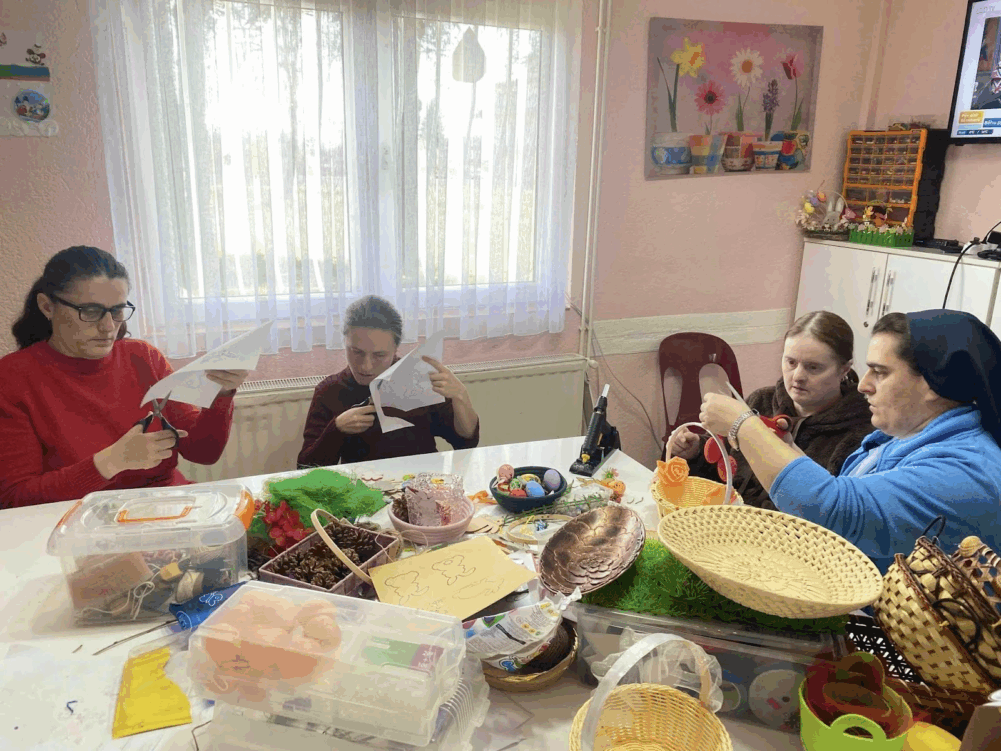
Over the years, the Center has grown in capacity, infrastructure, and expertise, becoming one of the main centers in the Peja region for this group. At the Center for Independent Life, each child is offered a personalised approach, based on their needs and abilities. Some of the specific activities carried out include; Individual and group educational sessions: developing basic skills in reading, writing, mathematics, communication, and technology use; Handcraft and creative activities: through handicrafts, drawing, painting, and artistic expression, helping children build self-confidence and express themselves freely; Social and integrative activities: such as excursions, organizing parties, participating in community and cultural events; Independent living skills: cooking classes, traffic safety, use of public transportation, money management, and independent shopping; Family support and counseling: training and counseling sessions for parents.
The inclusion of persons with disabilities is a fundamental human right and a key indicator of a democratic and equal society. Inclusion means eliminating social, infrastructural, and cultural barriers, creating real opportunities for active participation in education, employment, and social life. Support means ensuring necessary services and resources, while empowerment includes building personal capacities, self-confidence, and autonomy to make independent decisions, live as independently as possible, and be active contributors to the community.
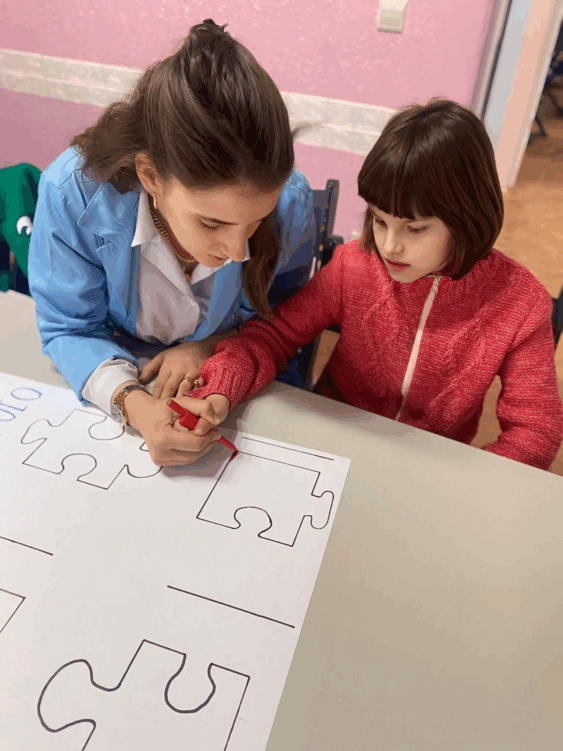
Throughout its years of operation, CIL has also prepared children for mainstream schooling, with one former beneficiary currently pursuing a master’s degree, and two others now employed at Peja’s city maintenance company.
Looking ahead, the Center for Independent Life remains committed to expanding its reach and deepening its impact, despite the challenges that they have faced over the years combating social prejudice and shortage of trained professionals. By continuing to not only provide direct services for persons with mental health disabilities through daily activities, but also advocate for systemic change, CIL seeks to build a more inclusive future, one where persons with disabilities are recognised as equal members of society, empowered to shape their own lives, and celebrated for their contributions to the community.